In my last article, I talked about how resilience isn’t something we’re simply born with or not. It’s something we build by creating steady, supportive habits that help us bounce back and keep moving.
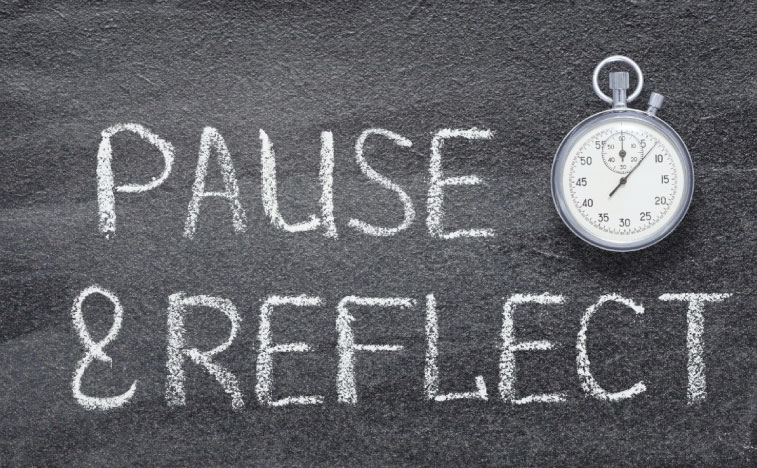
Reflection is one of those habits. It is a simple but powerful practice that allows us to pause, process, and respond with intention. According to Harvard Business School Online, self-reflection is one of the most effective ways to build resilience, helping leaders and teams navigate challenges with greater emotional intelligence, adaptability, and purpose.
For individuals, it builds emotional awareness and helps respond with clarity. For teams, it fosters trust and builds psychological safety by creating space for honest conversations and shared growth.
And it doesn’t need to be about hours of journalling or deep introspection. It’s about taking short, honest pauses to check in with yourself. In this article I’ll share tips for making reflection a regular part of your routine, and discuss how reflection helps teams work and perform better together.
Everyday Reflection Habits You Can Try
You don’t need hours or fancy tools. Here are some quick habits that can become part of your daily and weekly routine:
- End-of-Day Check-In Before you wrap up work, ask yourself: “What went well today?” and “What felt off?” Noticing your wins and challenges helps you track progress without judgment.
- Weekly Pause Pick one day a week (perhaps a Friday) to take a few minutes and reflect. What do you want to carry forward into next week? What are you ready to leave behind?
- Before a Meeting Before you go into a meeting or make a decision, take 30 seconds to notice your state. Are you calm, tense, distracted? Think about what you want from the meeting and how you want to show up. A deep breath can help reset.
- One-Line Journalling Write one sentence a day about what you learned or felt. It could be a moment, a thought, something that stood out. Over time, you’ll start seeing patterns and progress.
These are small, honest check-ins that help you stay more grounded, present, and intentional.
How Reflection Helps to Build Psychological Safety in Teams
When teams build in moments to reflect, they create a culture that supports openness and continuous improvement.
Regular reflection improves communication and deepens trust. It also boosts performance by helping teams learn from mistakes, course-correct early, and stay aligned around shared goals. It also fosters psychological safety, where people feel free to speak up, challenge ideas, and grow together.
And it doesn’t require a full team retreat. It can be as simple as a shared moment after a challenge, a post-project debrief, or a moment of pause after a tough week. These practices help people feel heard and valued, while empowering teams to move with purpose, care, and sharper focus.
Reflect to Lead, Live, and Relate
Reflection is a life and leadership skill that strengthens resilience. When we pause to reflect, we create space for intentional growth, steadier decisions, and deeper connection.
For individuals, it builds emotional resilience and clarity. For leaders, it’s an opportunity to role-model self-awareness and embed reflective habits across their teams. And in our personal lives, it deepens relationships by helping us show up with empathy, presence, and care.
“So, let’s make time for reflection. What reflection practice will you apply this week?”